Fentanyl Decontamination
Fentanyl decontamination of surfaces, vehicles and rooms after exposure.
See fentanyl decontaminationGet meth residue testing, decontamination, material removal and clearance steps for a home, rental, business or vehicle in Ridgeway. Keep people out of affected areas until the property has been assessed.
Meth lab cleanup tests for contamination and removes or cleans it after methamphetamine residue or chemicals from drug production affect a residence, rental property, workplace or vehicle.
Residue may remain even though a property appears clean. Walls, appliances, ceilings, belongings, floors and cabinets can collect meth smoke. Sites used for production may hold fuels, solvents, acids, unknown mixtures and salts as well. Because these materials are hazardous, no one should begin normal cleaning or relocate containers before the site is carefully assessed.
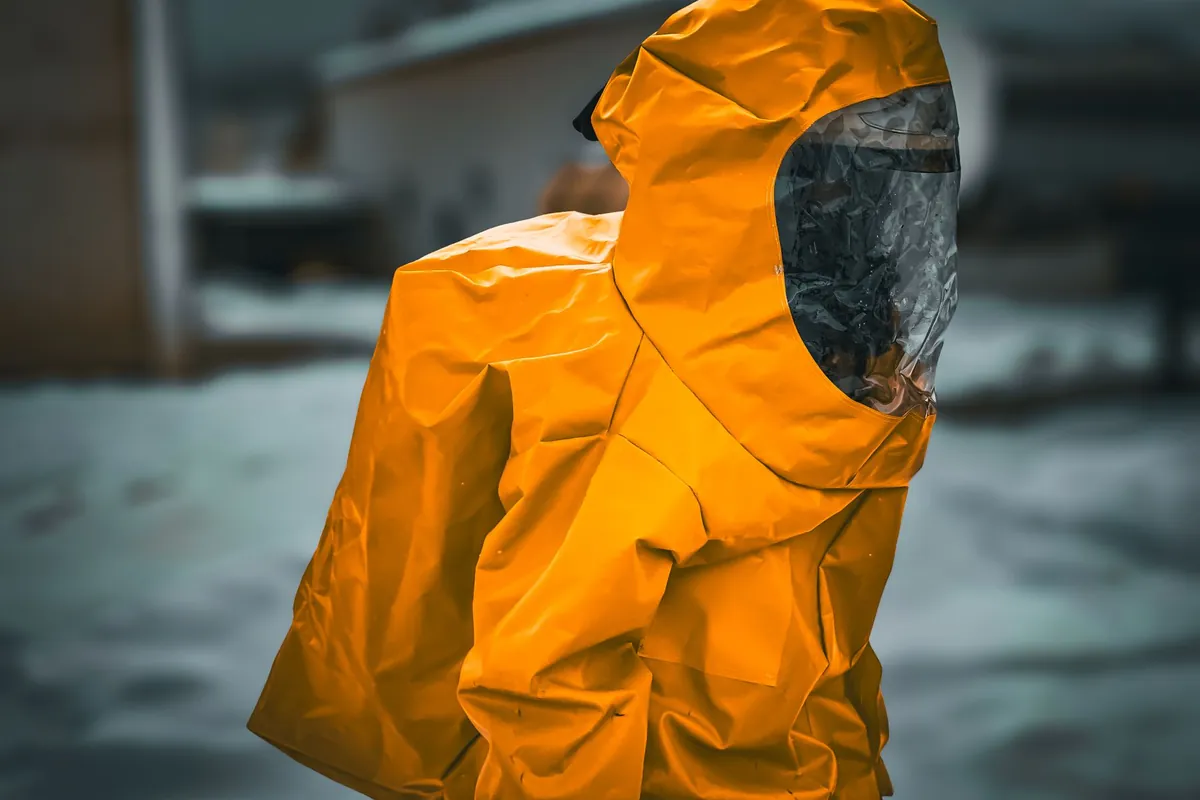
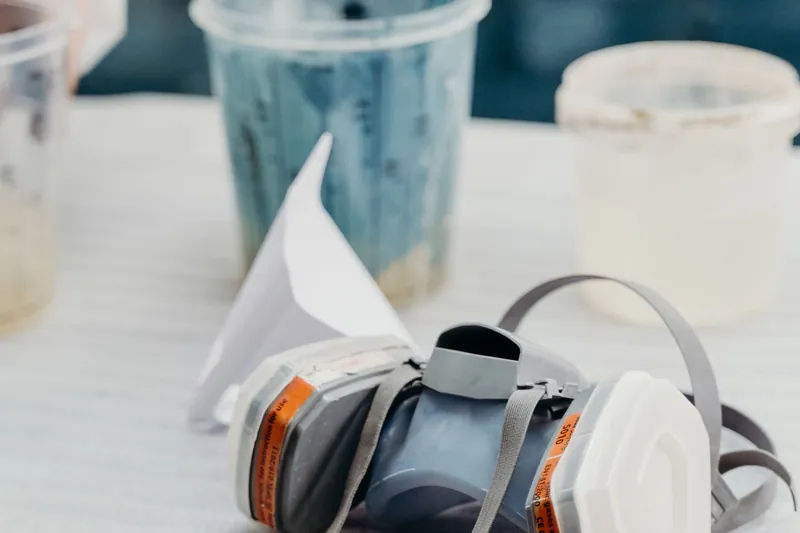
The biohazard remediation process should follow the testing results and the rules for the property location. Cleanup technicians isolate the affected area, use protective equipment, remove materials that cannot be cleaned, wash remaining surfaces and address the air system when needed. Post-remediation samples then show whether the tested areas meet the applicable clearance level.
Work zones and clean paths limit the movement of dust, tools and contaminated materials through the rest of your property.
Belongings are considered by material and condition, so you know what may be cleaned and what may need to be discarded.
Your cleaning service should organize images, scope records, test reports and disposal documents, helping you move forward once clearance is complete.
A written plan issued before remediation starts should list removal decisions, the testing basis, clearance steps, affected areas and cleaning methods.
Meth decontamination cleaning services become necessary when reliable history or test results point to residue from production or use. Both the testing findings and the property's background are the starting point in every case. Common examples are:
A property used to produce meth may retain chemical substances, staining and residue across several rooms after its release by law enforcement.
A car, recreational vehicle or truck may have contamination across its seating, flooring, interior trim and ventilation surfaces.
A landlord or property manager learns of suspected drug activity after a tenant leaves and needs testing before repairs or a new tenancy.
Workers find questionable containers, chemical discoloration or an earlier notice and pause the job before dust reaches unaffected areas.
Prevent contact first, and do not let contamination travel to other areas. Follow these steps while professional cleanup is pending:
Call (888) 440-9227PushLeads lists light meth use contamination at $5,000 to $10,000 and moderate contamination at $10,000 to $25,000 per job. Large or heavily contaminated sites can reach $120,000 per job. Testing for a multi-room property is listed separately at $1,500 to $3,500 per job. These are published planning ranges, not a quote.
These ranges come from published national cost guides, not from a site visit. You learn what your property will cost after the on-site assessment and before any work begins.
Ask about cost: (888) 440-9227Meth contamination may or may not receive insurance coverage based on the policy and cause. Exclusions can apply to contamination, pollution, vacancy or a criminal act. Notify the insurance company, ask which assistance may be available and obtain its written decision about coverage before you authorize non-emergency work.
Law enforcement may secure evidence and release the scene, but the property owner generally must arrange environmental testing and remediation afterward.
Keep the police release, laboratory results, photographs, the remediation scope, disposal records, invoices and clearance report together.
Explain to the insurance company how you found the contamination. Ask the insurer if benefits apply to tests, decontamination, material removal and loss of use.
For a rental, property owners often set up assessment and cleanup. Seeking reimbursement from the renter is a different matter from restoring safe property conditions.
A measured sequence is used for the meth lab cleaning process. Each part must align with the property's assessment, its plan for testing and the local clearance rules that apply.
Cleanup technicians begin by assessing the property's past, its police release, any hazards in sight, the room layout, the ventilation and how contamination may have spread.
Tests taken from surfaces can define affected areas and create a starting measurement. The relevant local procedure should guide where and how samples are collected.
The cleanup document explains how to contain the area, what to remove or clean, how contents are treated and which clearance steps finish the work.
Barriers divide the cleanup zone from unaffected rooms. Cleanup technicians wear protective gear selected for the site's chemical dangers, contaminated dust and residue.
Carpet, pad, soft furnishings, insulation or damaged building materials may be removed and prepared for waste disposal when they cannot be cleaned to the required level.
Material-specific methods are used in a controlled sequence to clean the remaining walls, ceilings, floors, fixtures and cabinetry.
Technicians inspect the air system apart from belongings that can be moved. Items are cleaned, isolated or discarded according to condition and test findings.
After cleaning is complete and the area is ready for sampling, clearance tests determine whether further work is needed before reoccupation.
Call at any time. A meth lab cleanup specialist answers, explains the steps and agrees a start time with you.
Serious health risks may remain at a former meth property, even without a strong smell. Exposure can occur from residual production chemicals, skin contact or contaminated dust.
Frequently contacted objects and surfaces, including walls, floors, counters and toys, can collect residue. Looking normal cannot confirm that a surface satisfies the clearance threshold.
If carpet and wallboard are removed before tests, contaminated particles can reach your clothing, equipment and clean areas.
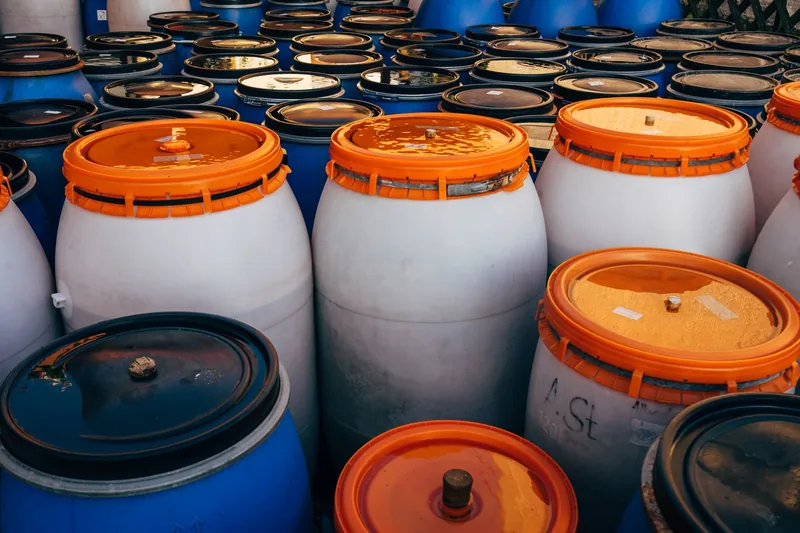
Powders, fluids and containers without labels may pose flammability, reactivity or corrosion hazards. Do not sniff, open, mix or place them with domestic garbage.
Can you clean it yourself? Do not treat suspected meth contamination as a small household spill. You cannot use domestic cleaners to measure residue movement or verify that a surface passes the local clearance standard. The safer approach starts with tests and a plan specific to meth remediation.
Materials are kept only when the remediation plan allows them to be cleaned and the finished area can pass the required clearance process.
Rules and clearance levels differ by state and local jurisdiction. Contact your building, environmental or health agency to identify the requirement governing cleanup before work starts.
Sampling plans, laboratory methods and clearance reports may need to follow a local protocol. Save all records because a buyer, tenant, owner or official might need to see them.
Do not automatically place unknown chemicals or contaminated debris in household trash. The materials discovered and local requirements determine waste categories and disposal methods.
Any infectious debris or needles present with drug items must be managed separately. Wisconsin calls it infectious waste, and items saturated with human blood or body fluids are treated as infectious. The Department of Natural Resources rules control storage, transport and treatment, so it cannot go in household trash.
A limited-area meth lab cleanup may require several workdays, while remediation at a larger production location can last several weeks. Room count alone does not set the timing. Clearance sampling, laboratory turnaround, repeated rounds of cleaning and material removal have greater influence.
The full meth lab cleanup guide covers what is cleaned or removed, odor and air quality work, and the rules that apply in your state.
Read the full meth lab cleanup guideLocal population patterns, housing and site access may affect how containment and cleanup are planned.
Because renter occupancy is 17.7%, cleanup discussions often can focus on the household without a separate property manager involved.
Because the median home dates to 1979, cleanup plans should distinguish washable surfaces from absorbent carpet, padding, and wallboard.
About 20 older residents live alone in Ridgeway, equal to 26.3% of seniors and still relevant to welfare planning.
Because 77.6% of local housing is single-family, owners often can make direct decisions about removing affected structural materials.
Your phone conversation can include questions about service in nearby ZIP codes and communities.
Fentanyl decontamination of surfaces, vehicles and rooms after exposure.
See fentanyl decontamination
Removal of needles, pipes and drug residue from rentals and properties.
See drug paraphernalia cleanup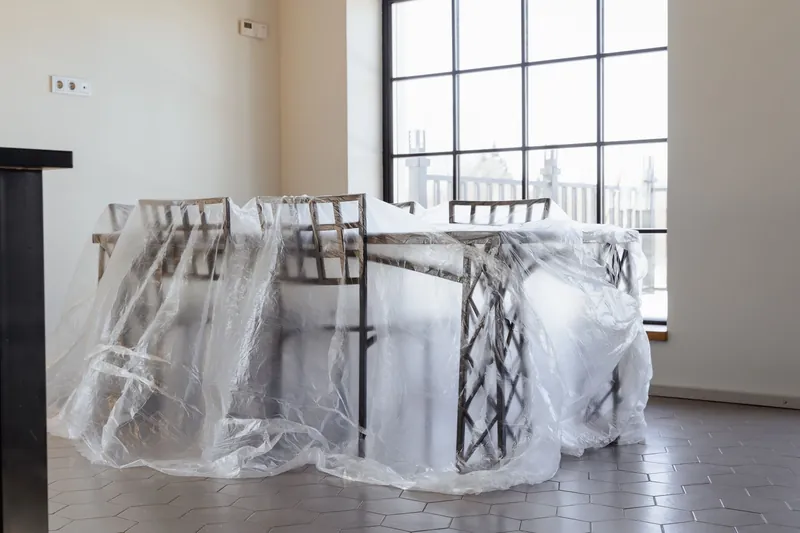
Grow house cleanup removes chemicals, mold and property damage left by indoor cultivation.
See marijuana grow house cleanup
Hazmat cleanup uses suitable protective equipment when addressing hazardous materials.
See hazmat cleanup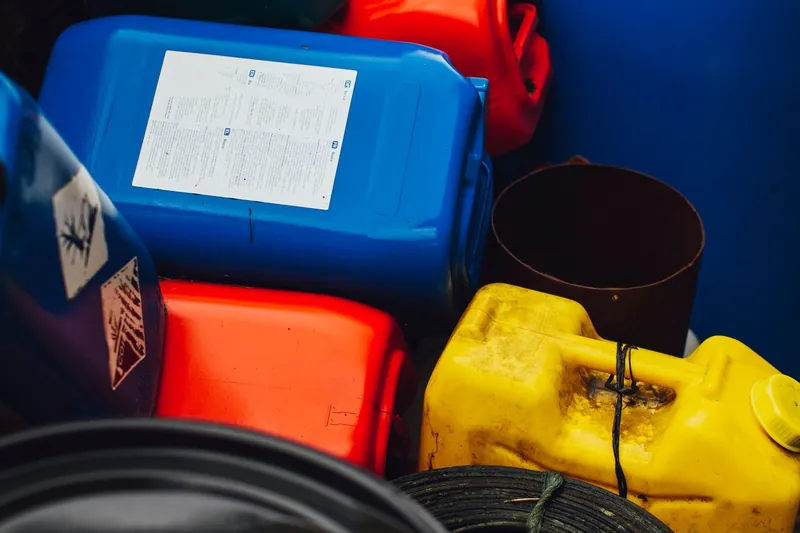
Toxic and chemical waste cleanup includes safe disposal.
See chemical and toxic waste cleanup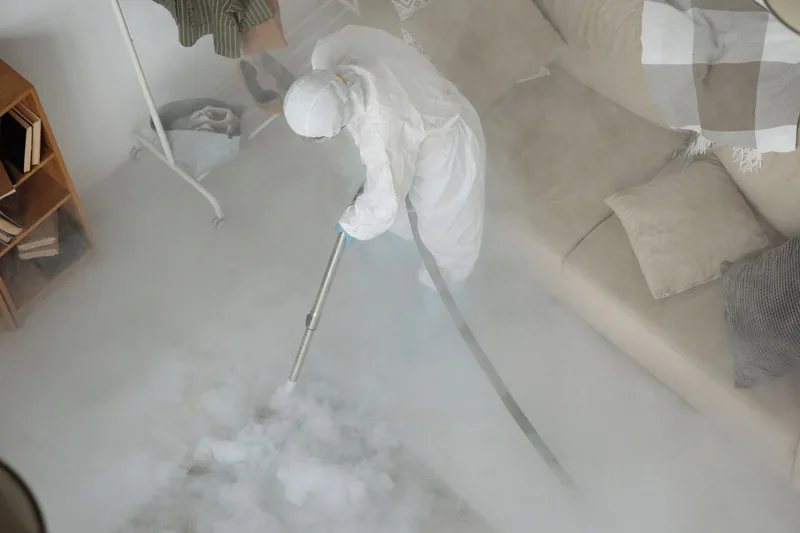
After exposure to infectious or hazardous material, the air, room and surfaces are fully decontaminated.
See biohazard decontamination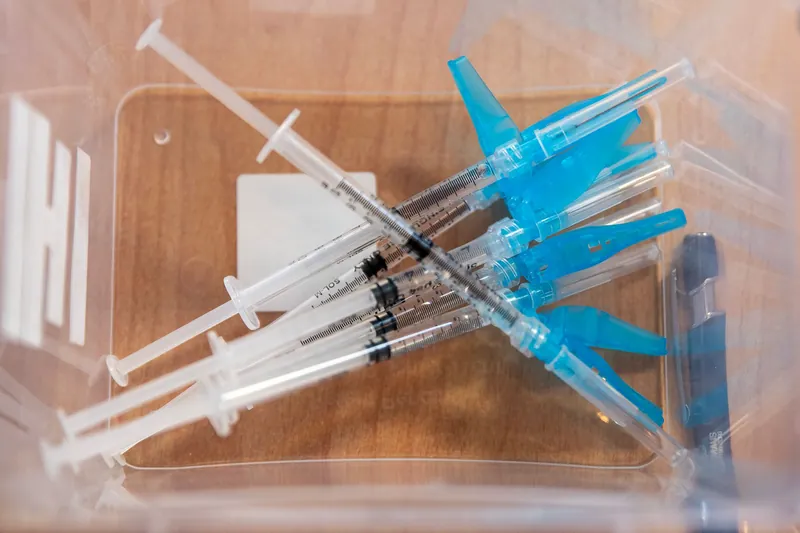
Cleanup removes sharps and needles from parks, rental sites, yards and encampments.
See needle and sharps cleanup
Biohazard cleanup for hotels, Airbnb units and rental properties.
See hotel, Airbnb and rental biohazard cleanupA DIY attempt can distribute contaminated particles while making the finished work difficult to document. You cannot use ordinary cleaning products to test residue levels or establish clearance. Begin by getting professional tests and identifying the locally applicable remediation requirement. A written remediation plan can then identify which surfaces may be cleaned and which materials should be removed.
Testing may be appropriate when law enforcement identifies an old lab, dependable property history documents drug production or trustworthy evidence points to repeated meth use. Odd containers, chemical discoloration and powerful smells can signal danger, although neither odor nor visual inspection proves a property has cleared.
Coverage depends on policy language, the contamination's origin and any vacancy, criminal-act, pollution or contamination exclusion. When you notify the insurance company, explain how the issue came to light and check whether coverage applies to remediation, testing, temporary housing, clearance sampling and removed materials.
Never treat sight and odor alone as proof that the space can be used. Before anyone reoccupies the property, follow both your area's applicable standard and the proper public or environmental authority's written recommendation. Post-remediation sampling creates objective evidence and shows whether more cleaning is needed.
Material type, condition, value and residue level should guide an individual assessment of each belonging. Some hard, washable belongings may be cleaned. Absorbent belongings such as books, carpeting and upholstered furniture may resist effective remediation. Decisions to clean, set aside, sample or discard possessions should appear in the work plan.
A sharp, solvent-like smell may remain after production, but you cannot use odor alone to prove contamination or clearance. Residue may exist in a building even when you detect no odor. When powerful chemical smells are present, exit without contacting containers and rely on surface sampling with the relevant standard.
Respectful, discreet meth lab cleanup is available 24 hours a day, and crews arrive in unmarked vehicles.